
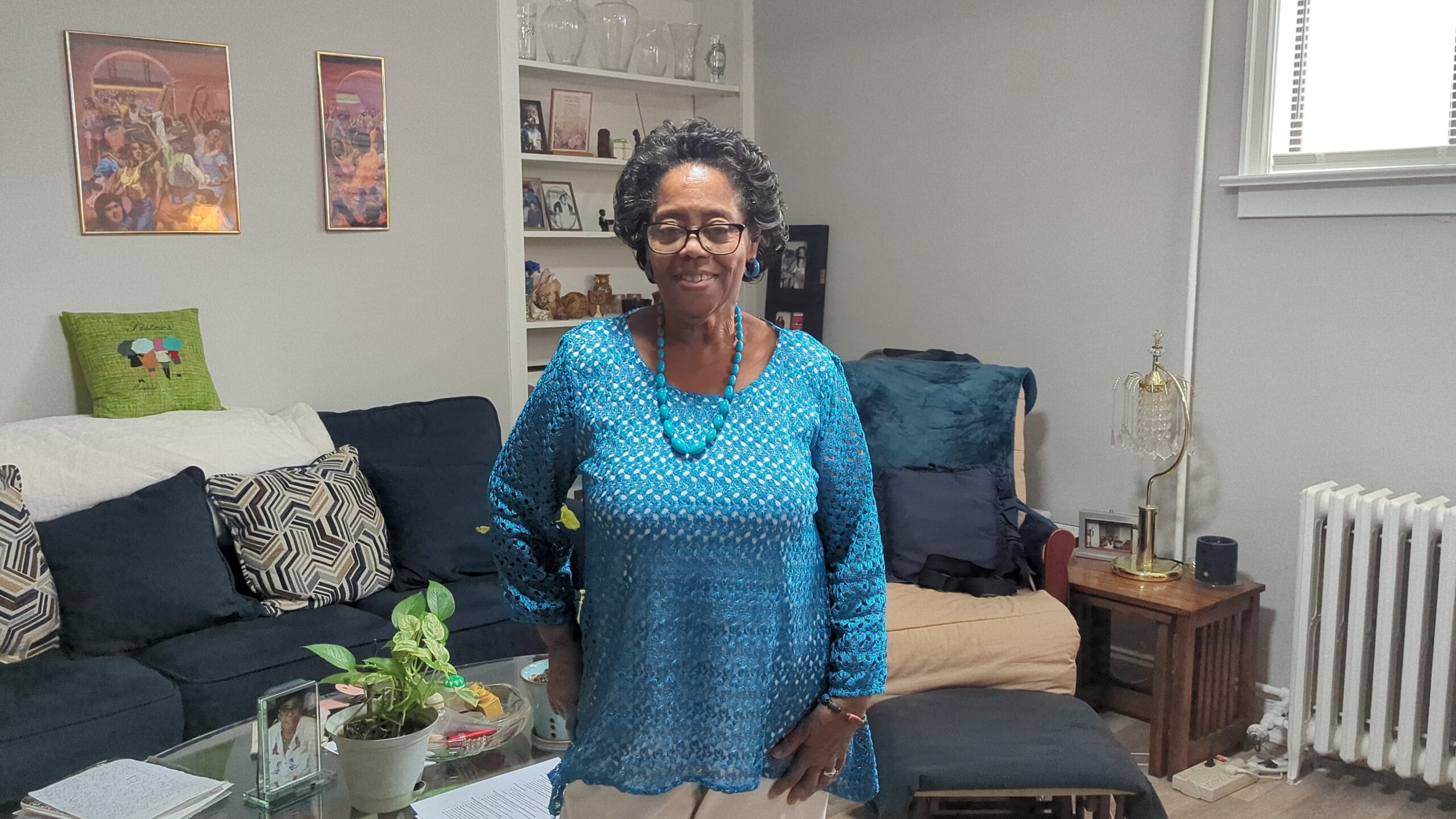
How long have you lived in DC, and when did you first move to 49-53 Missouri?
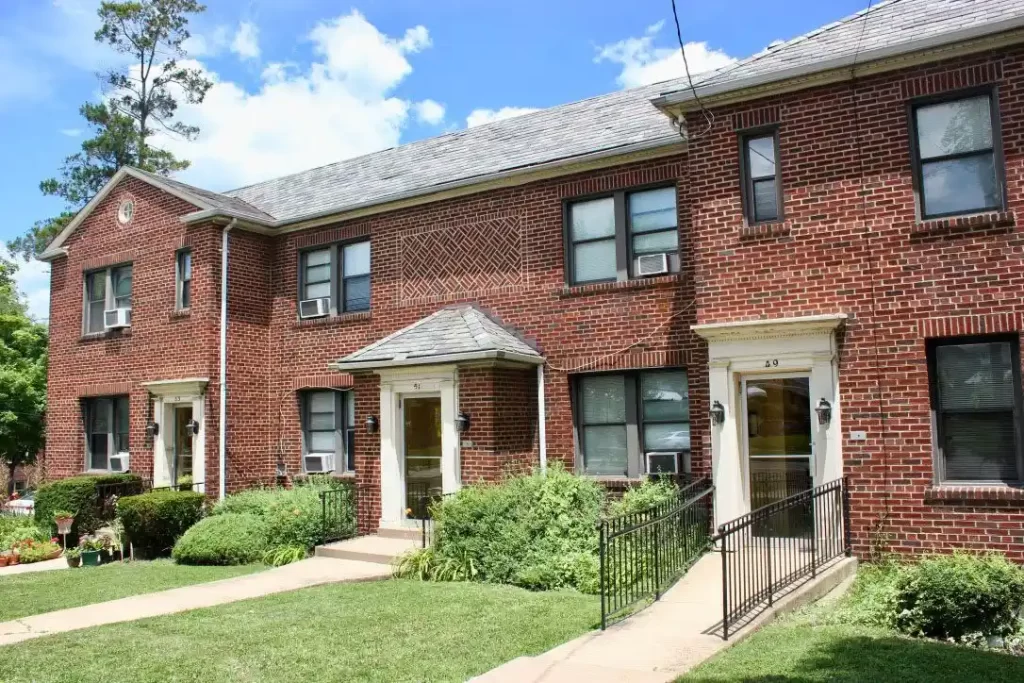
I’ve been living in DC since I was twelve. I was born in North Carolina. As a matter of fact, I’ve been in the Northwest ever since I’ve been living in DC. I lived right across the street for years until they decided to sell the building. Luckily, my husband knew the owner of this building. And we were able to get a one-bedroom apartment here in 2007.
Has the neighborhood changed a lot since you first moved in?
A bunch of drug dealing around the corner that stopped. I don’t know if it’s because of all the buildings and all the new neighbors coming in, but we don’t have that problem anymore, which is a good thing.
When did you find out that the previous owner wanted to sell the building?
We found that out in 2015. And of course, you know, at that time, the tenants had the first right of refusal. But of course, we don’t have a million dollars. The building was selling for a million dollars. So I formed the tenant association with all the tenants.
What did you all decide to do once you realized the building was going to be sold?
We actually had to get a lawyer through the district. Housing Counseling Services got us in touch with a lawyer. I can’t remember her name. That was so many years ago. But we did have an advocate, and he helped us build the tenant association. So that was in our favor. You know, we were taught a whole lot of things. Different companies came in that wanted to buy the building. One was mana, and they wanted to turn the place into co-ops or condominiums. Nobody could afford that. And along came Mi Casa, and they were about low-income families and seniors. So we chose Mi Casa. They signed in like 2016 to purchase the building.
How did the process of exercising your TOPA rights work?
Well, first of all, you do need to form a tenant association and have meetings. We had a whole lot of meetings with Mi Casa. That’s what I love about them. They always came in. They always had meetings. Yeah, but I just think it’s important that they try to invest and help people to purchase their buildings. It’s really important to get that help.
And a lot of people don’t even know about it. I think that’s one of the beautiful things about TOPA. It’s like, you know, if you don’t want to go through the process of trying to purchase an individual unit or like, even if the co-op is affordable, but it’s just a lot more overhead work for you to have an option where you can say, I’ve been renting here. I want to keep renting here. And I want to be able to afford it in the long term.
Once Mi Casa purchased the building, what were the next steps for you?
Mi Casa was able to get money to get a new roof. We were also trying to get a boiler. We had problems with the boiler for a couple of years. We were outside in 22-degree weather because the chimney was smoking and we didn’t know. So Mi Casa had to get that fixed, clean the chimney out.
Were there any barriers that you encountered between Mi Casa acquiring the building and having the building renovated?
During the course of renovating, the original plan was to go with central air and heating, but Mi Casa couldn’t get the funding for that, but they fixed the boiler. So if you can feel it, it feels nice and warm here. From the beginning, their plan was to get funding to renovate the apartments. But it didn’t go as planned. They couldn’t get a certain amount of money for funding. So I think it’s maybe like two years ago they were finally able to get some money to renovate the apartments.
What was the renovation process like for you?
During the renovation process, we wanted to make sure that we were able to come back into our apartments, but we weren’t too sure. Mi Casa guaranteed that, yes, we would actually all come back to your original apartments, and we did.
So when we wanted to know, okay, where are we going to go while you renovate the apartments? The original plan was they were going to renovate the two apartment units in the middle. That’s where each person was supposed to go while their unit was being renovated.
So they started down at 49 from the bottom because these apartments were terrible. I think this building was like 89 years old.The pipes were rusty. Over the years, my ceiling fell in like four times. Luckily, it was over the tub. And they completely gutted this place because I’m telling you, the pipes were terrible. The wood had rotted, you know. That’s why it took everybody else four weeks to get out and come back to their apartment. It took four months before I came back. What am I going to do? I knew what was happening. And it was well worth the wait. I love my apartment. It’s beautiful.
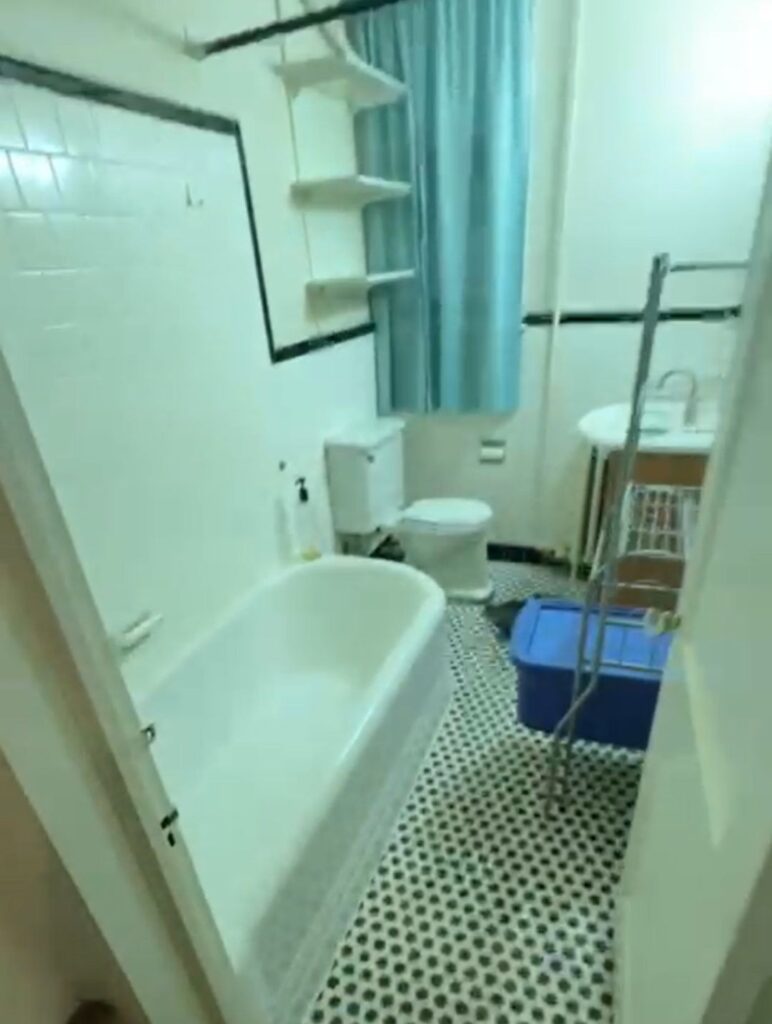
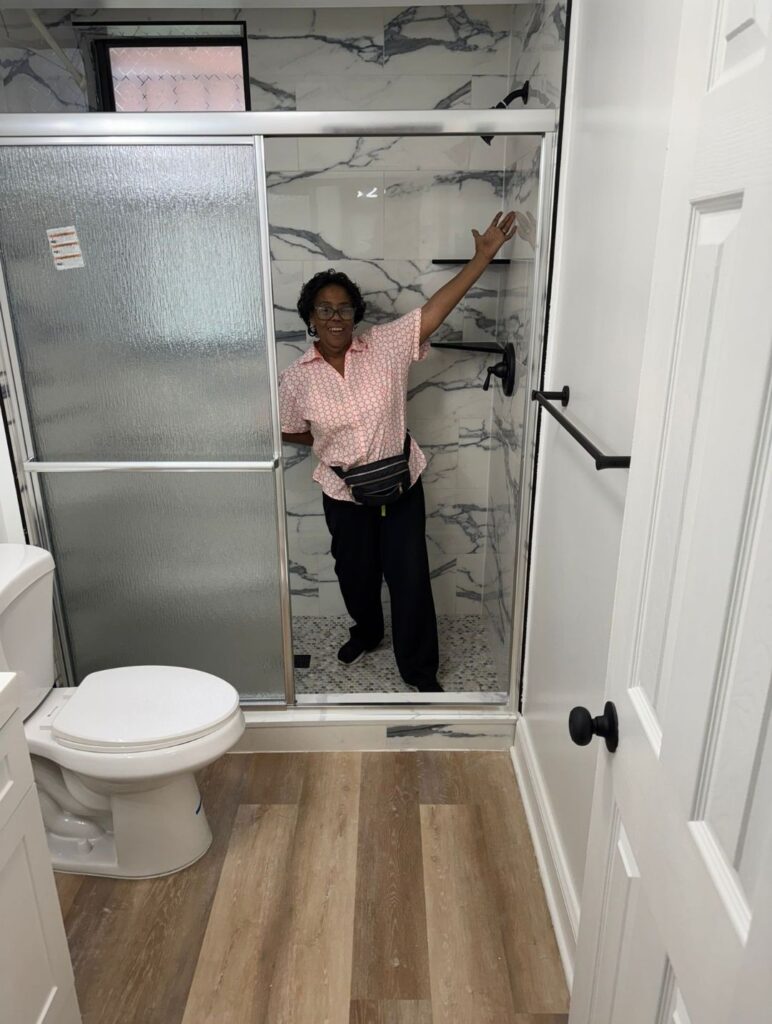
Was it difficult to get repairs done to the building before Mi Casa purchased it?
The previous owner didn’t have the funding. He just fixed at the problem, not actually fixing the problem.
What’s next for the tenants now that renovations are wrapping up?
Everybody seems pretty happy. Everybody’s happy with where they are. Nobody’s going to move. Where are we going to go? Rent is crazy here in the District of Columbia. If you live here, you know how expensive it is here. I don’t know how people can handle it. These apartments, these new buildings, a one-bedroom is like $2,500.
As someone who has already exercised your TOPA rights, what would you say about what TOPA meant to you?
It meant an awful lot. I think if we didn’t have that, we wouldn’t still be here. We would be somewhere else paying outrageous rent and getting put out. It’s really important and necessary for low-income families and seniors as well to have an affordable place to live.